Pillar II
Income Security Dashboard
Get Your Benefits
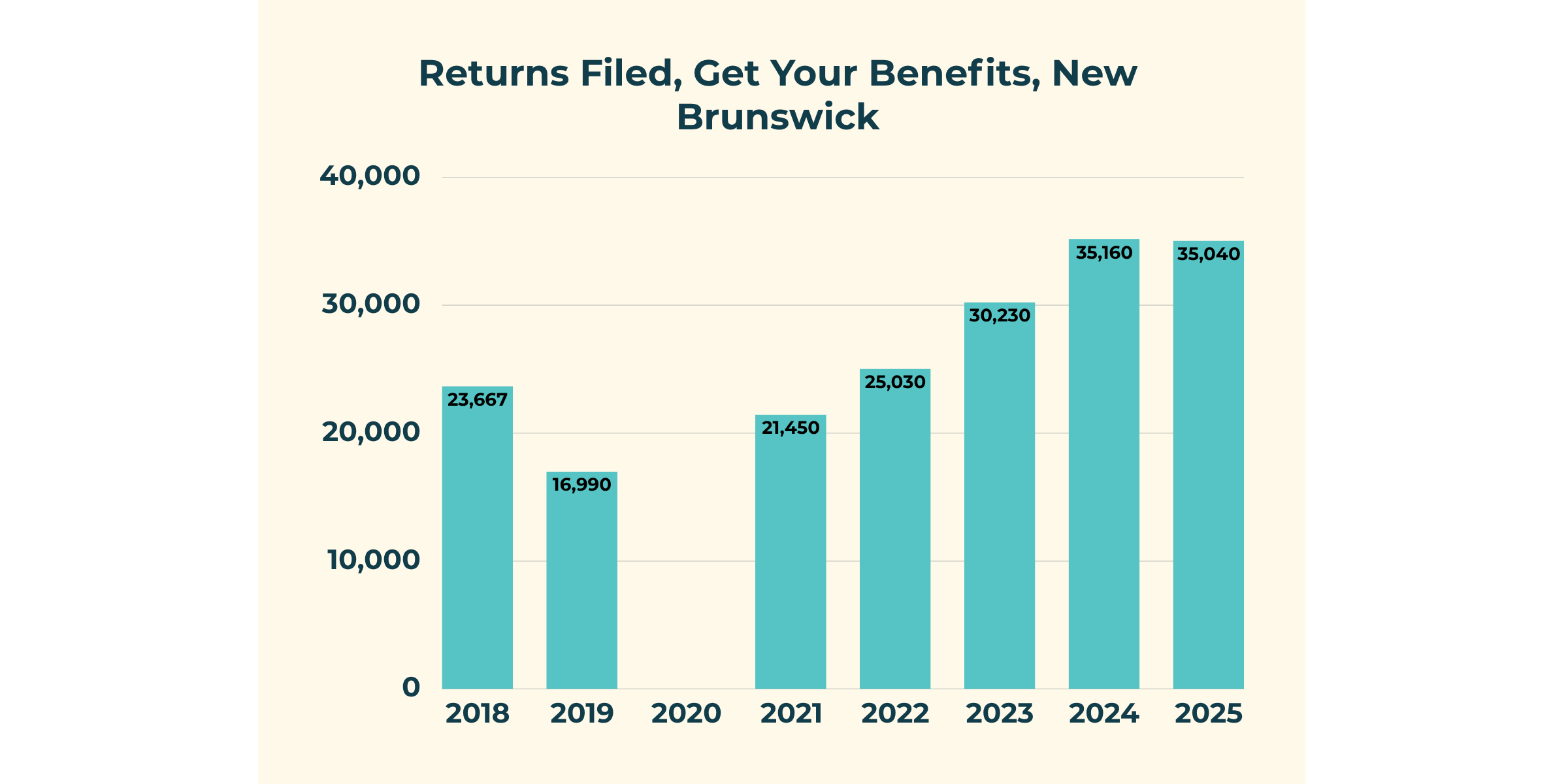
The Community Volunteer Income Tax Program (CVITP) is a collaborative initiative between the Canadian Revenue Agency (CRA) and community organizations to host clinics where trained volunteers help people who have a modest income and a simple tax situation in the preparation and filing of their income tax and benefit return. The program, called Get Your Benefits in New Brunswick, has been greatly promoted by ESIC.
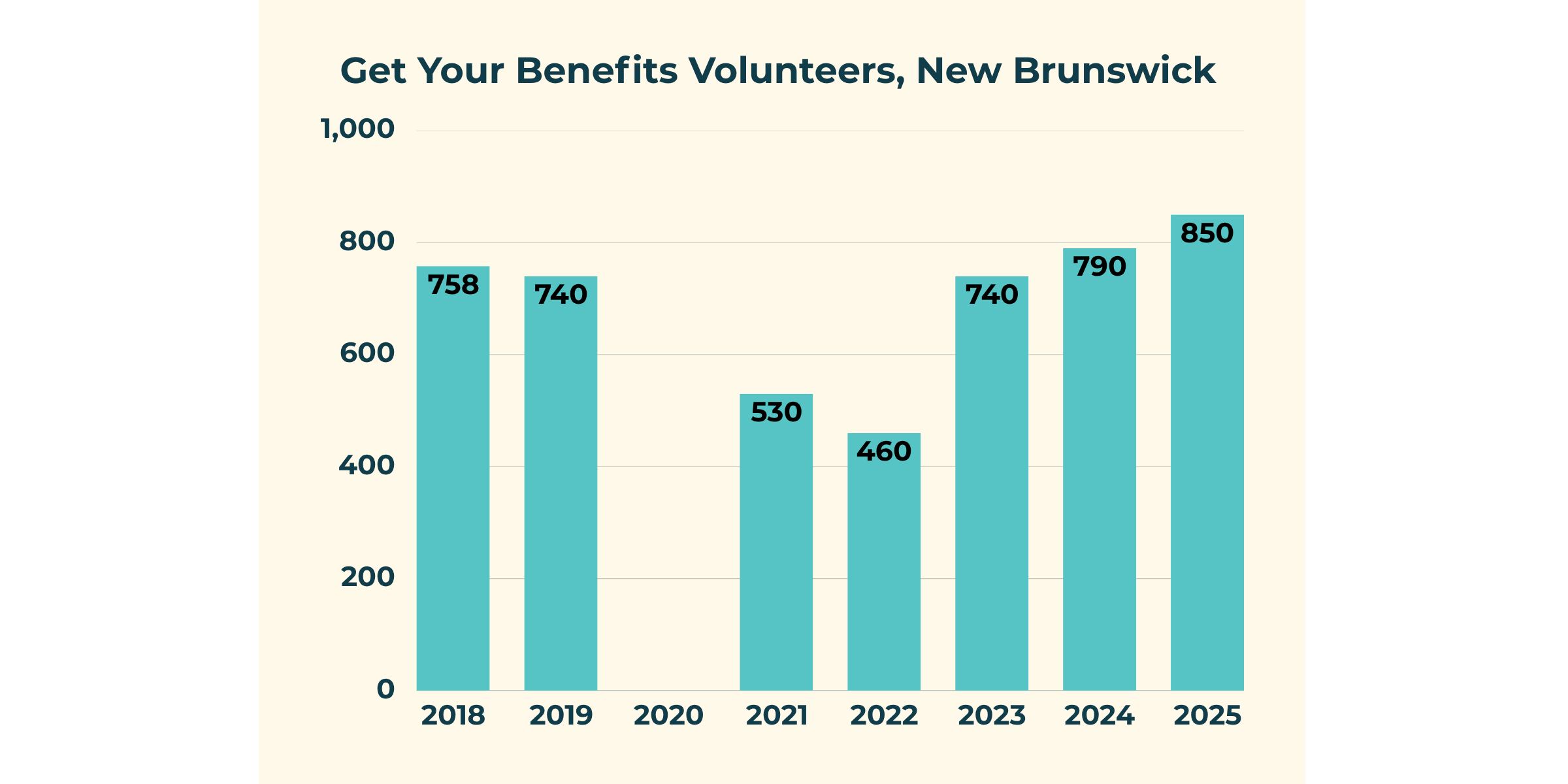
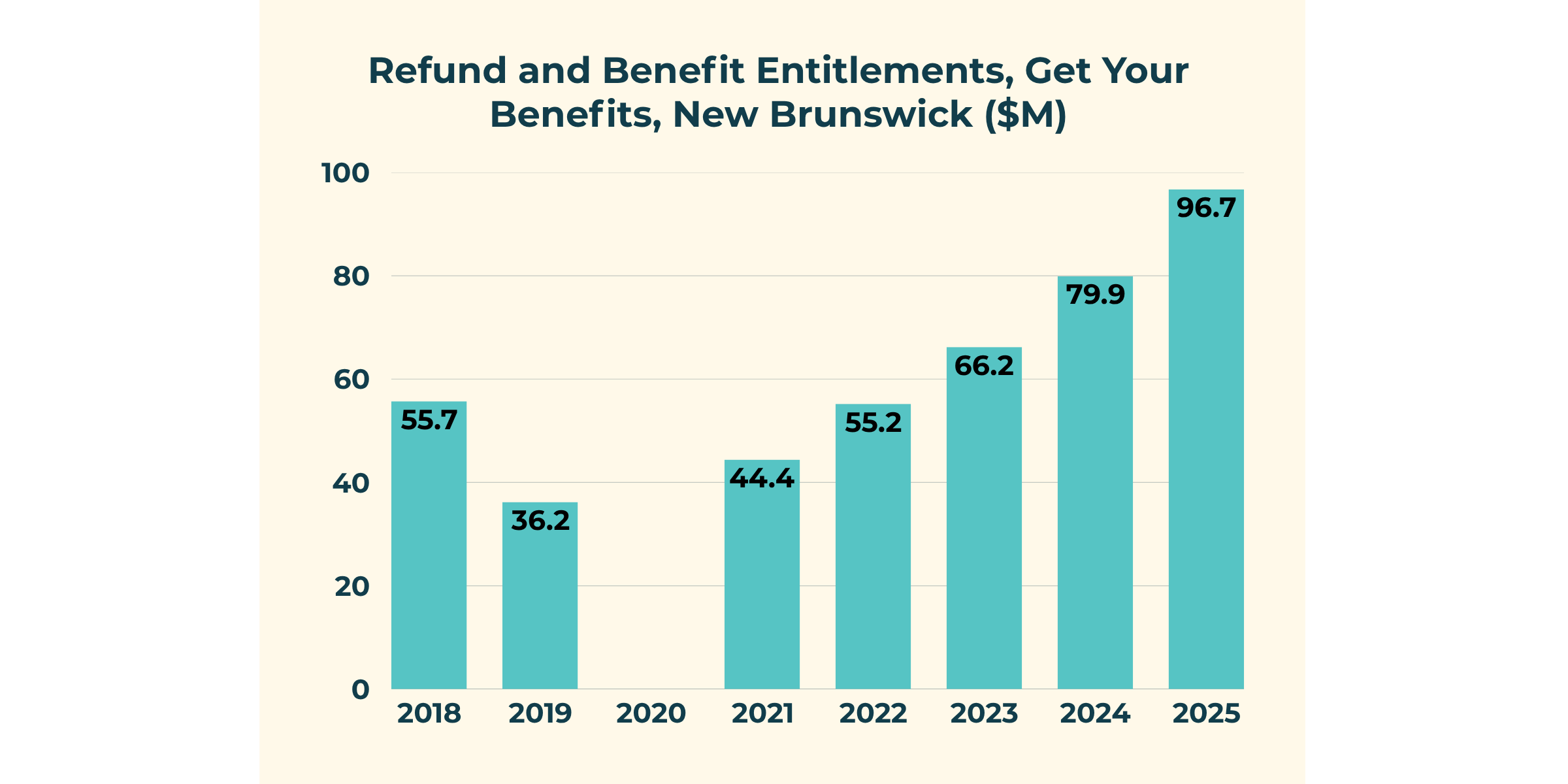
In addition to the income tax clinics, Super Clinics have been held throughout the province to help participants file their taxes, get their children Social Insurance Numbers (SIN), and get information on how to set them up for the Canada Learning Bond. Information on other programs and possible benefits for their family is also provided at these Super Clinics.
Click here for more information on free tax clinics.
RDSP
The Registered Disability Savings Plan (RDSP) is a long-term savings plan designed to help individuals approved for the Disability Tax Credit (DTC) and their families save for the future.
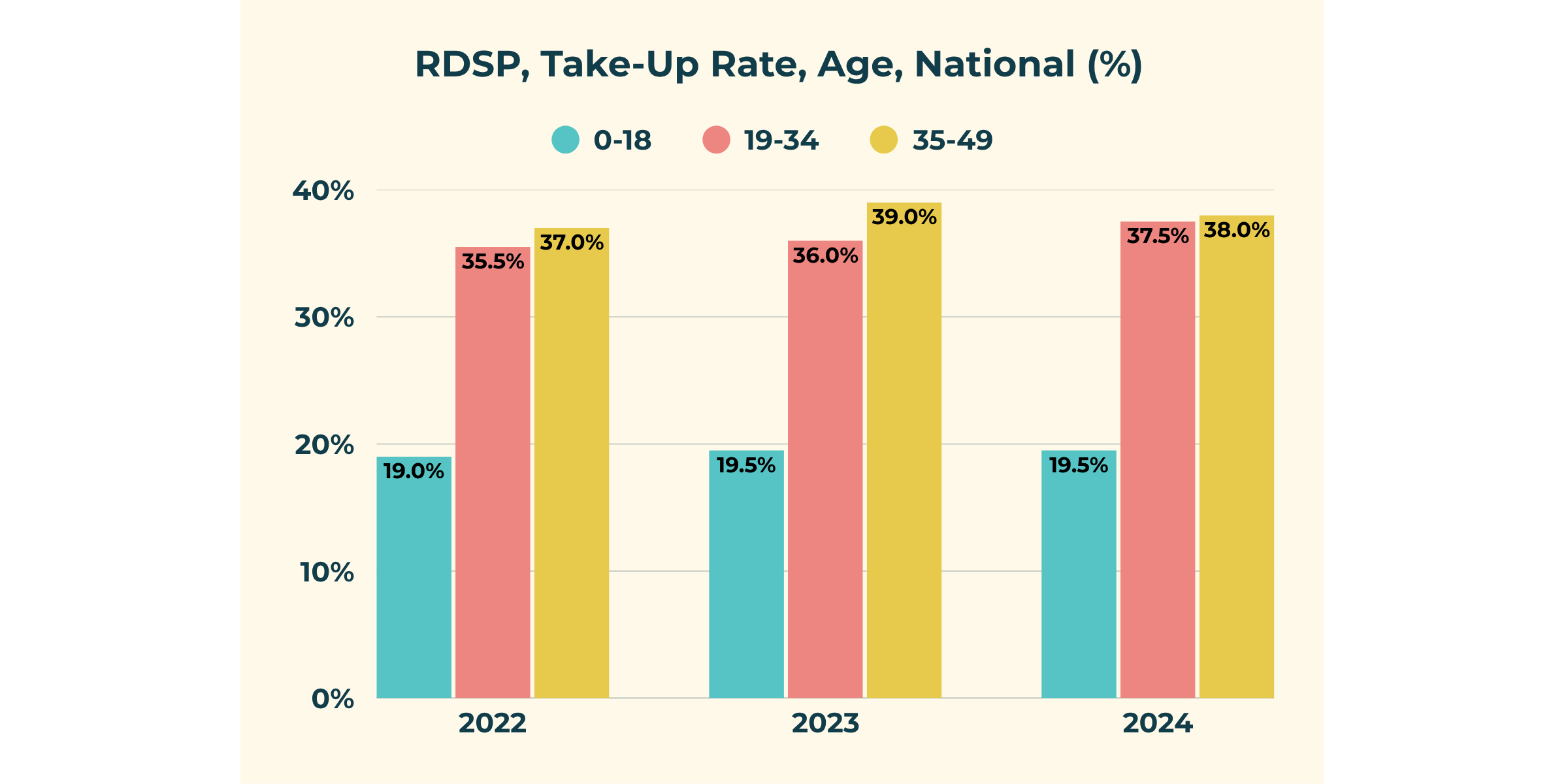
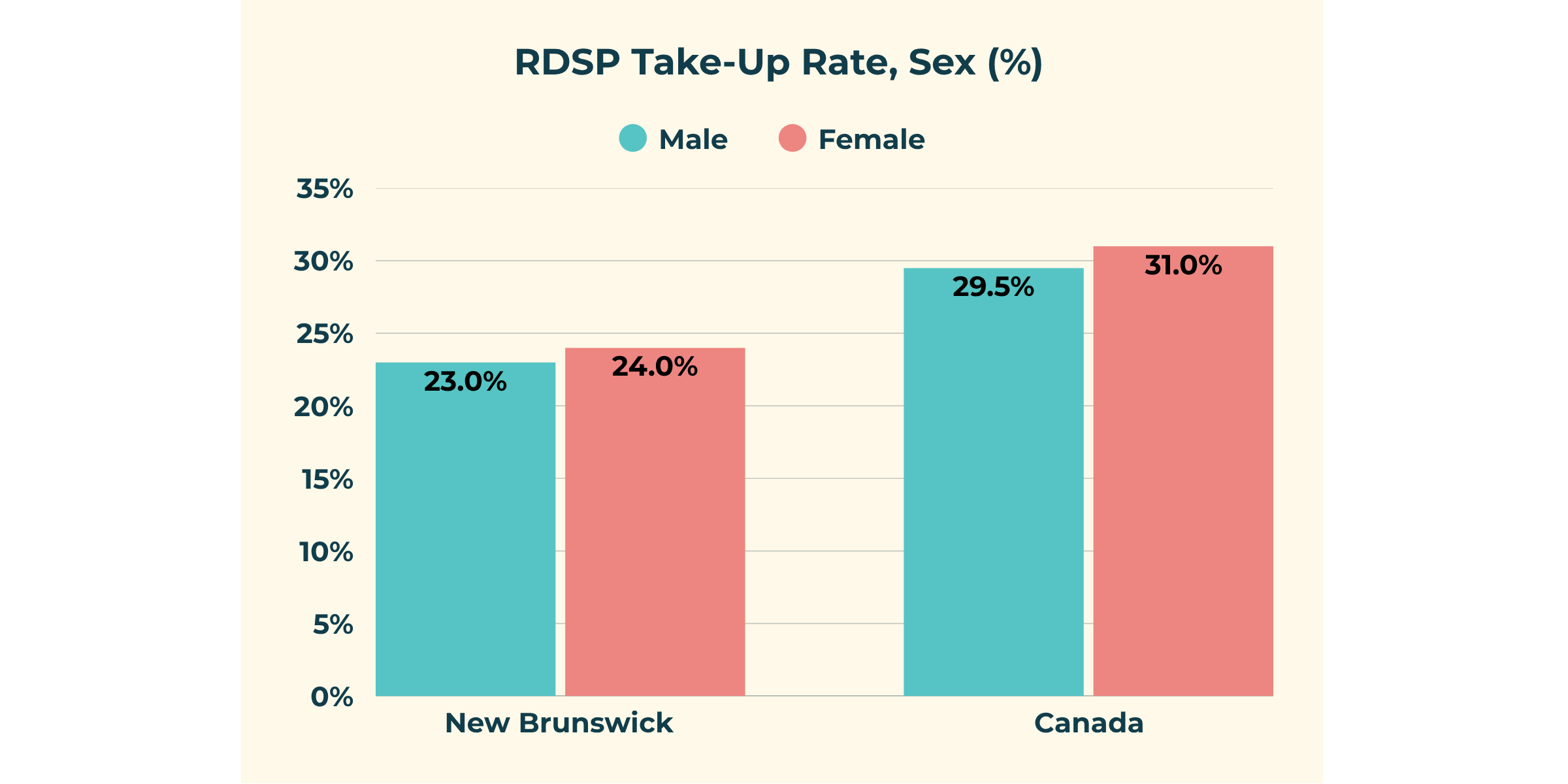
the most current RDSP take-up rate data is for 2024.
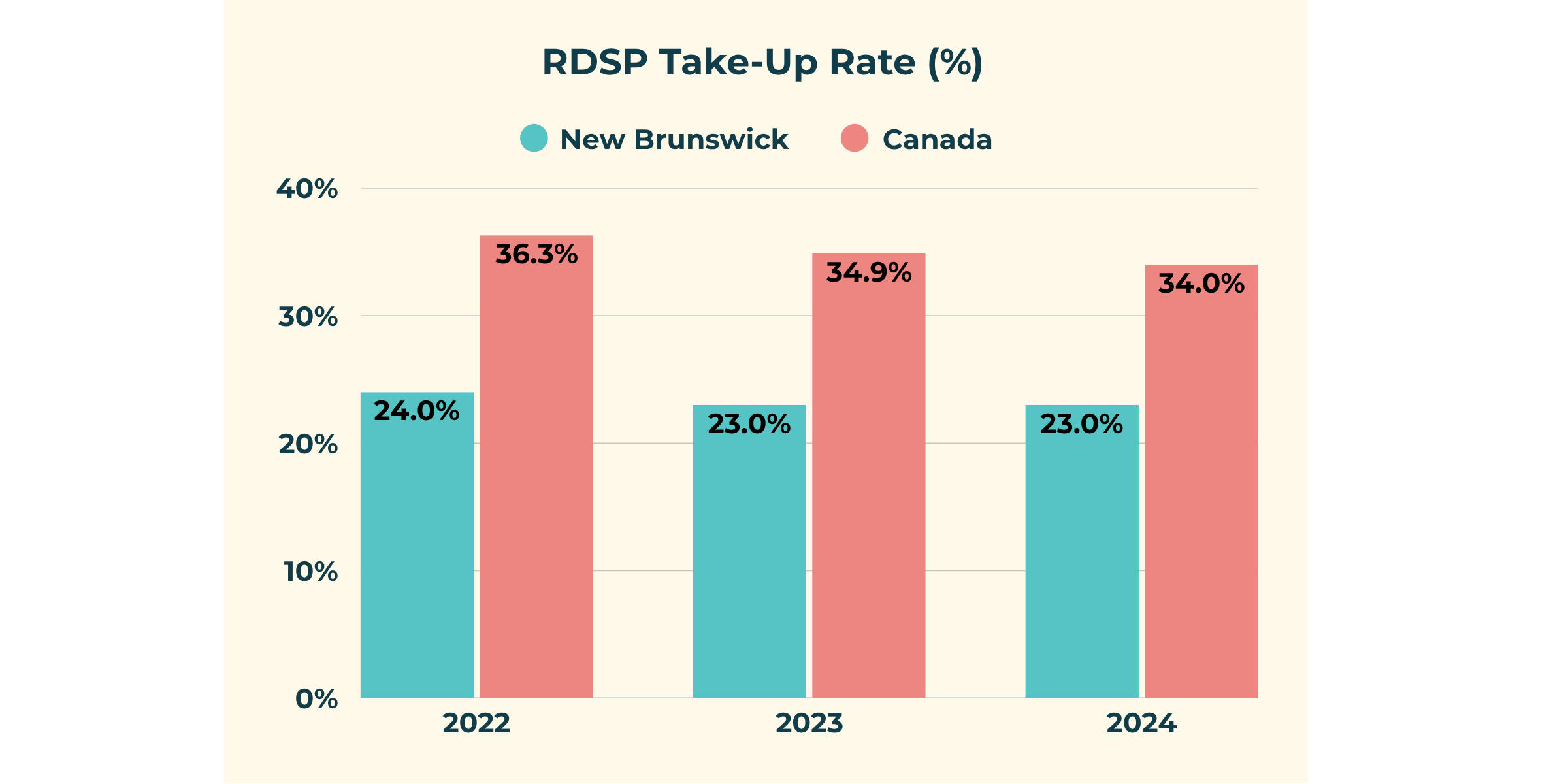
the overall take-up rate was estimated by averaging the reported age and gender-specific rates for NB.
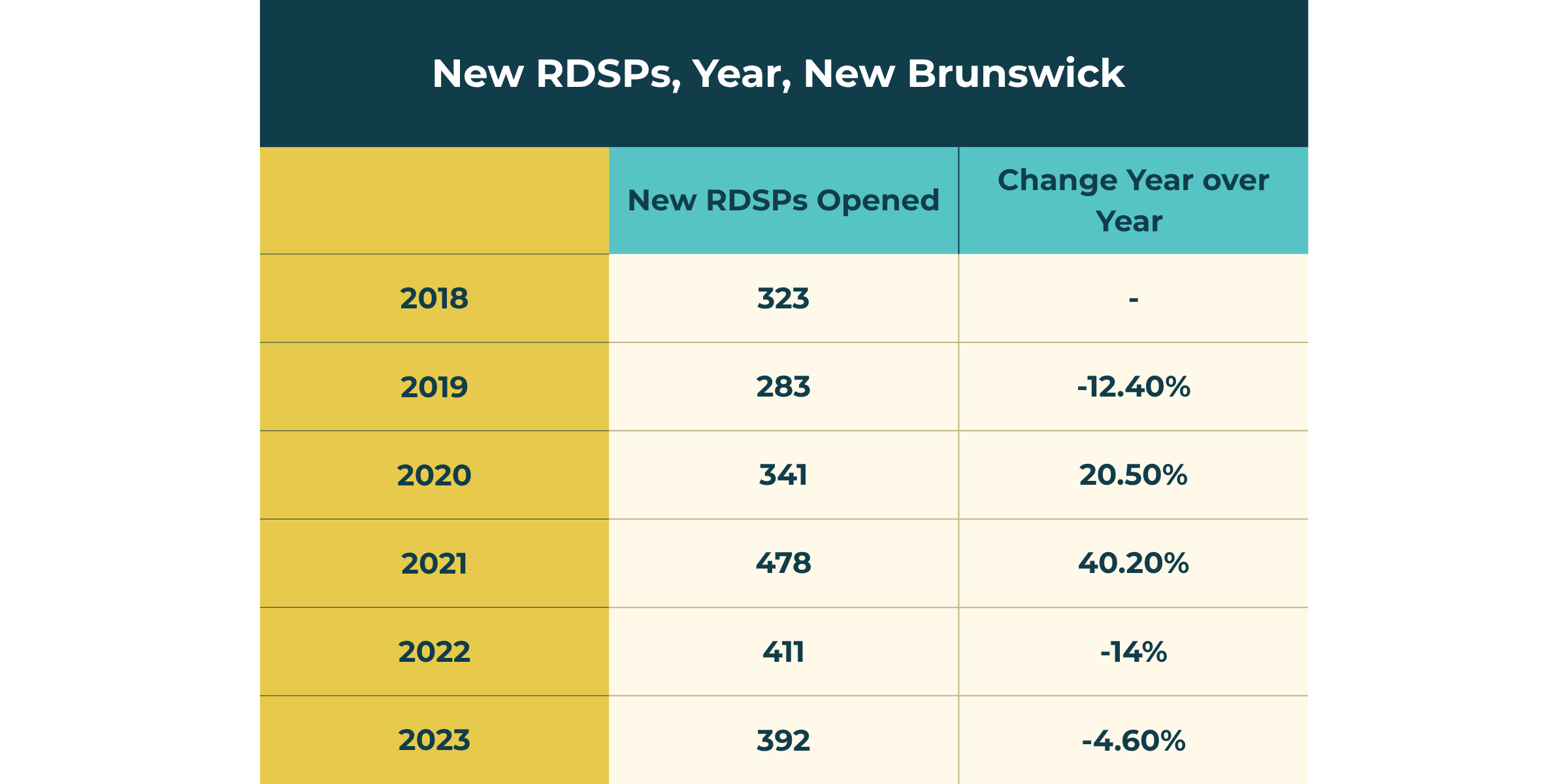
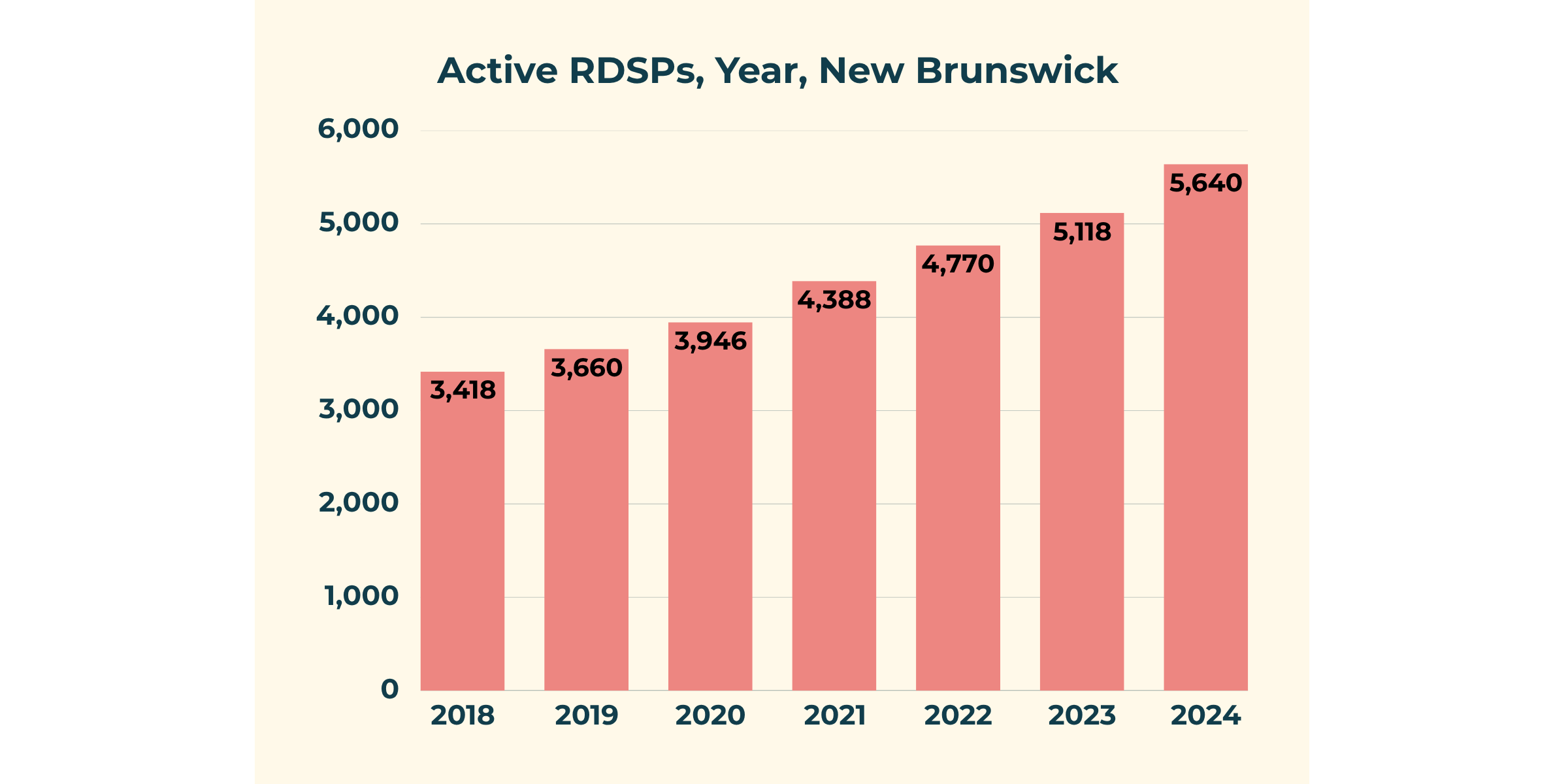
Based on New Brunswick's 1.8% share of Canadian RDSP beneficiaries in 2024 and approx. 31, 000 new RDSPs opened nationally, an estimated 560 new RDSPs were opened in New Brunswick in 2024.
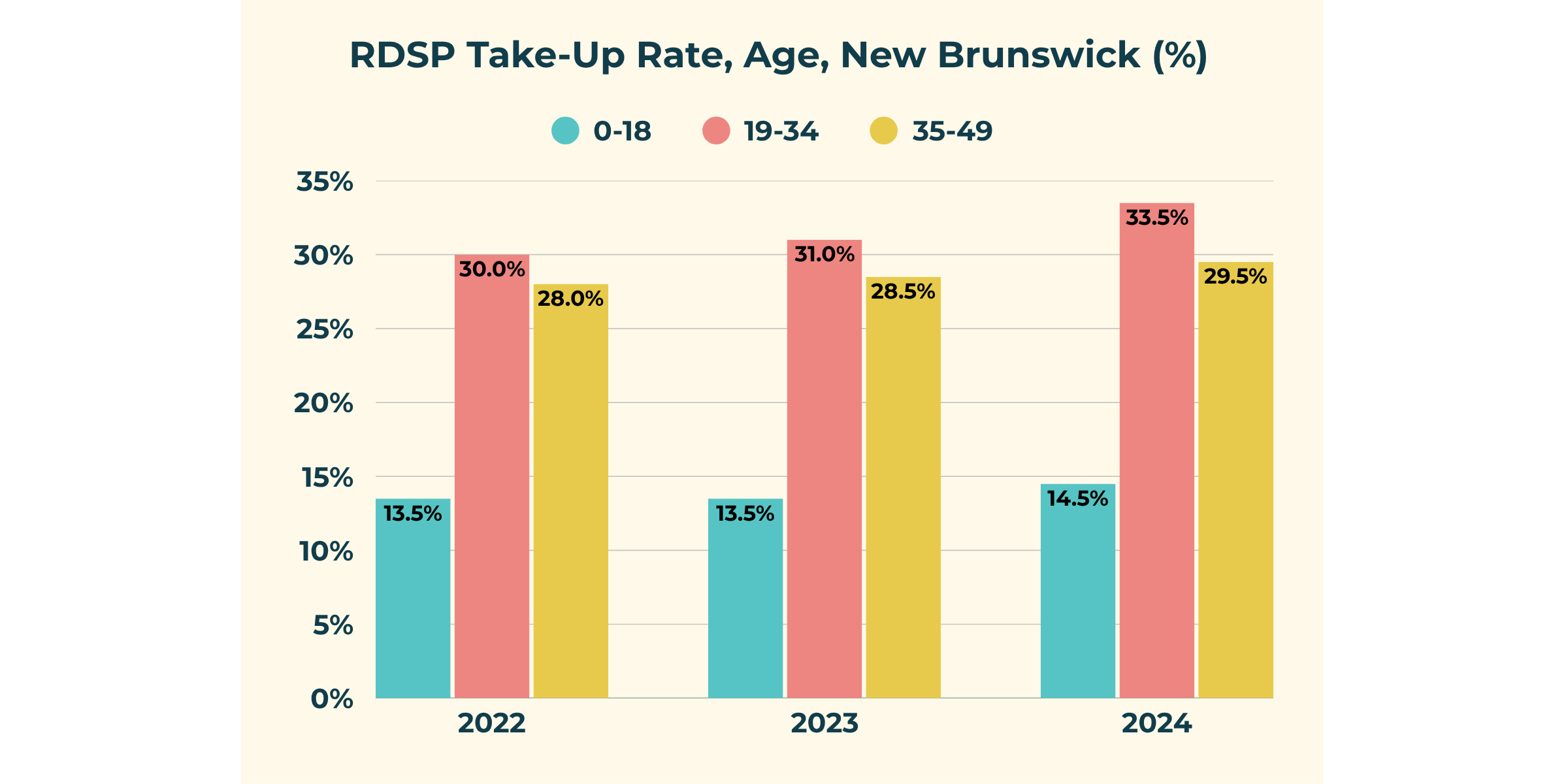
New Brunswick has the lowest take-up rate of the Atlantic provinces.
Financial Literacy
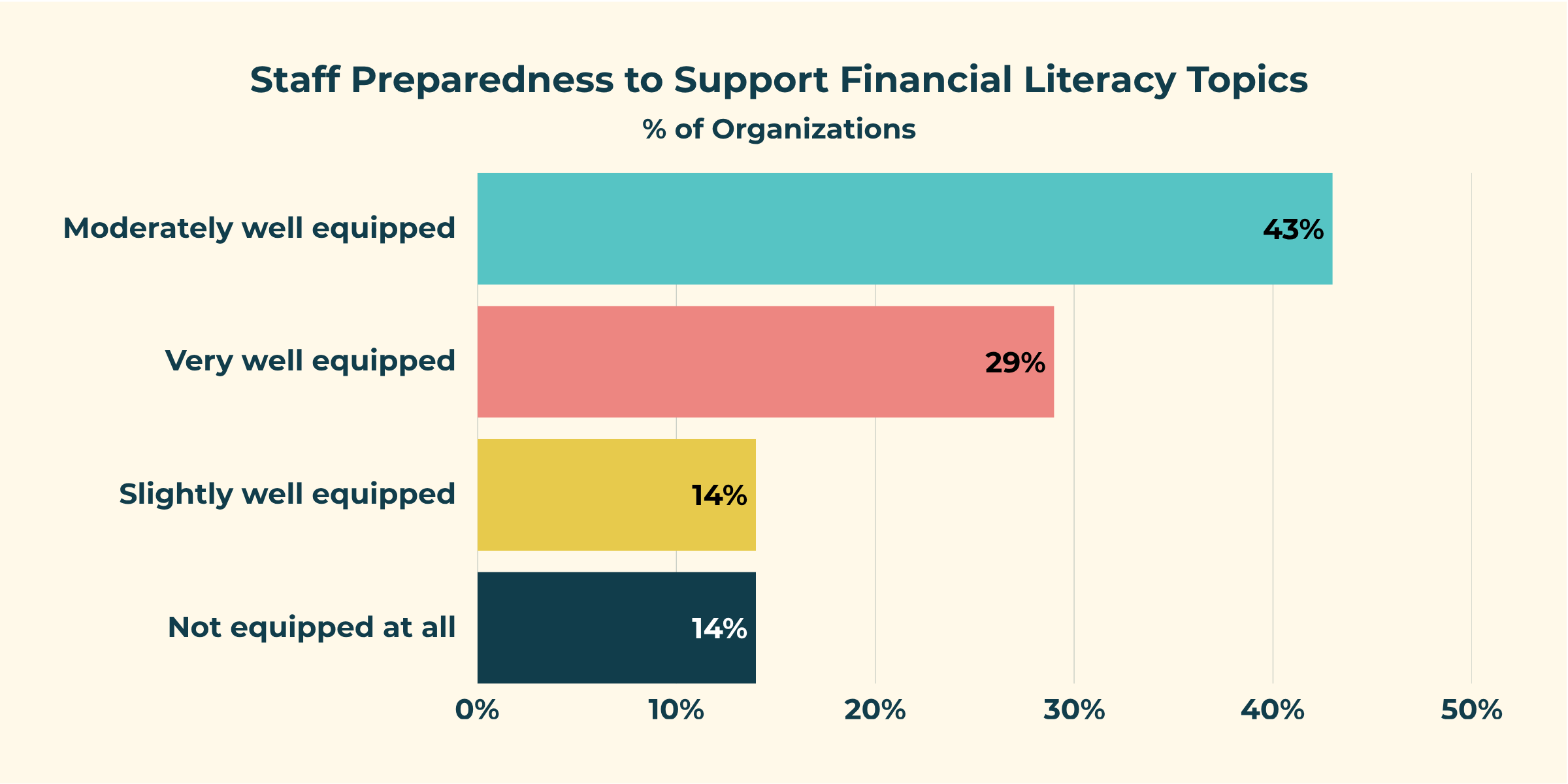
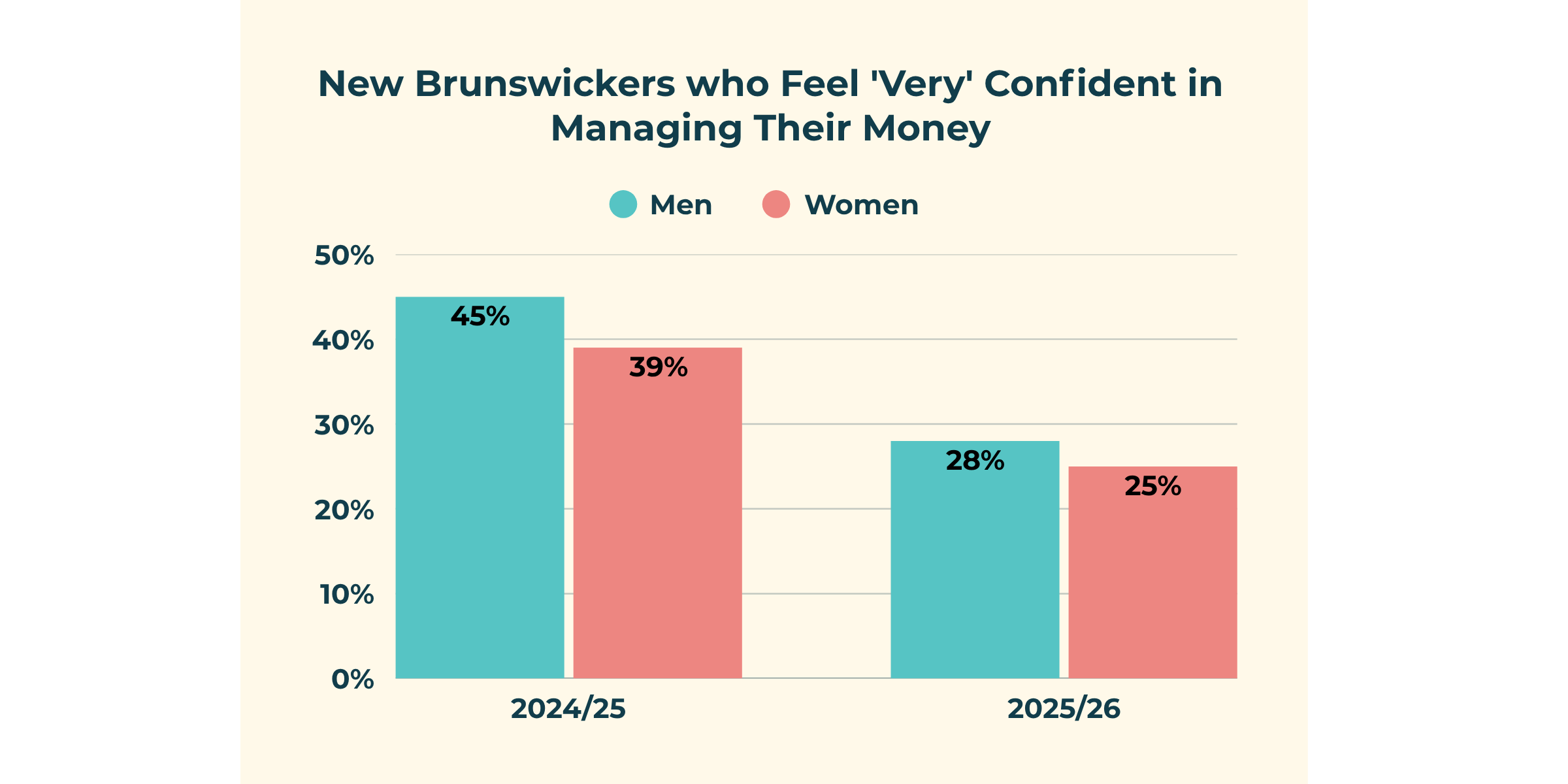
Financial literacy refers to the knowledge and skills that enable individuals to make informed and effective decisions about managing money, and understanding financial systems and services.
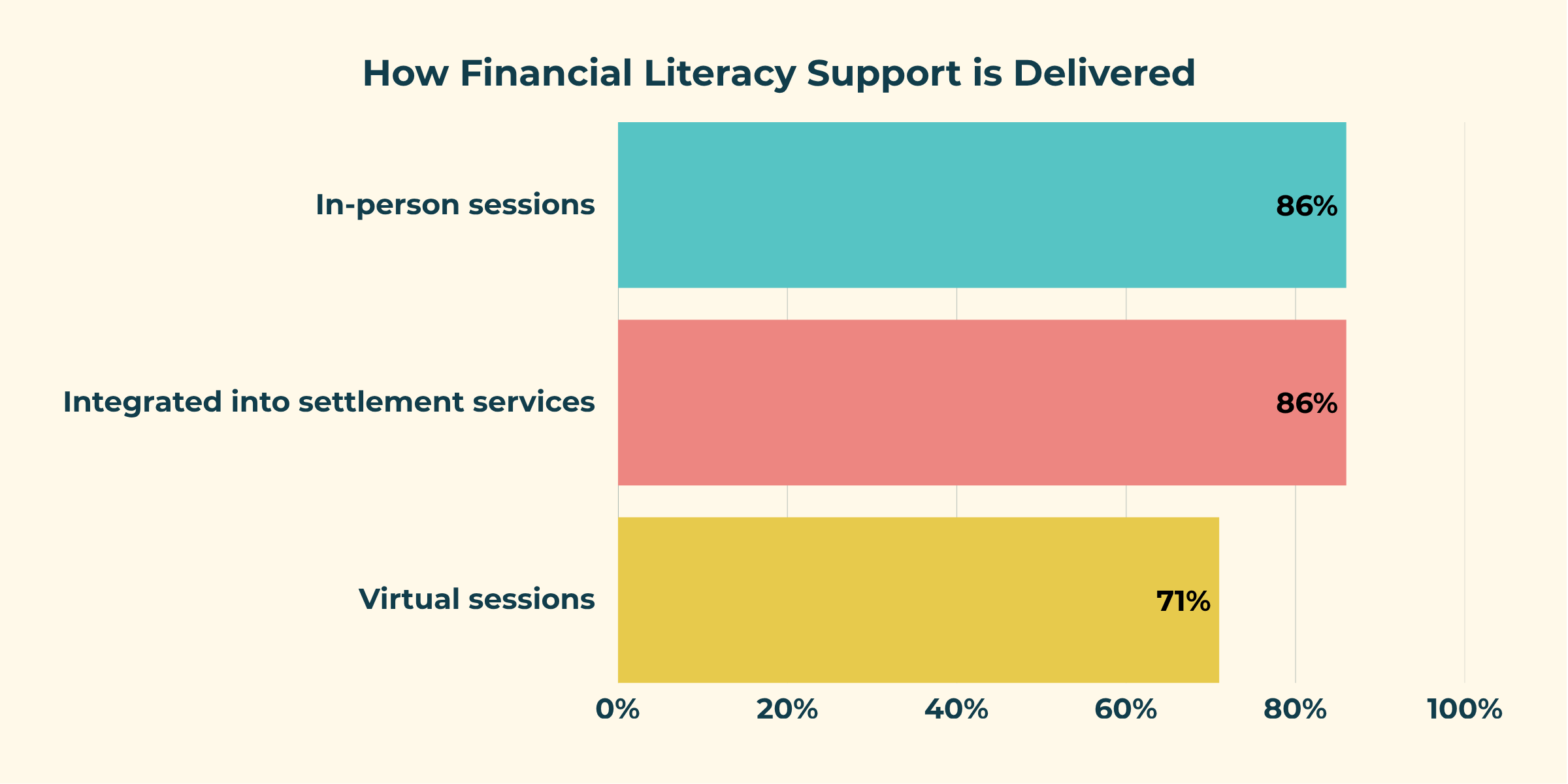
The data below is drawn from newcomer and multicultural organizations across a range of New Brunswick communities, reflecting both urban and rural contexts.
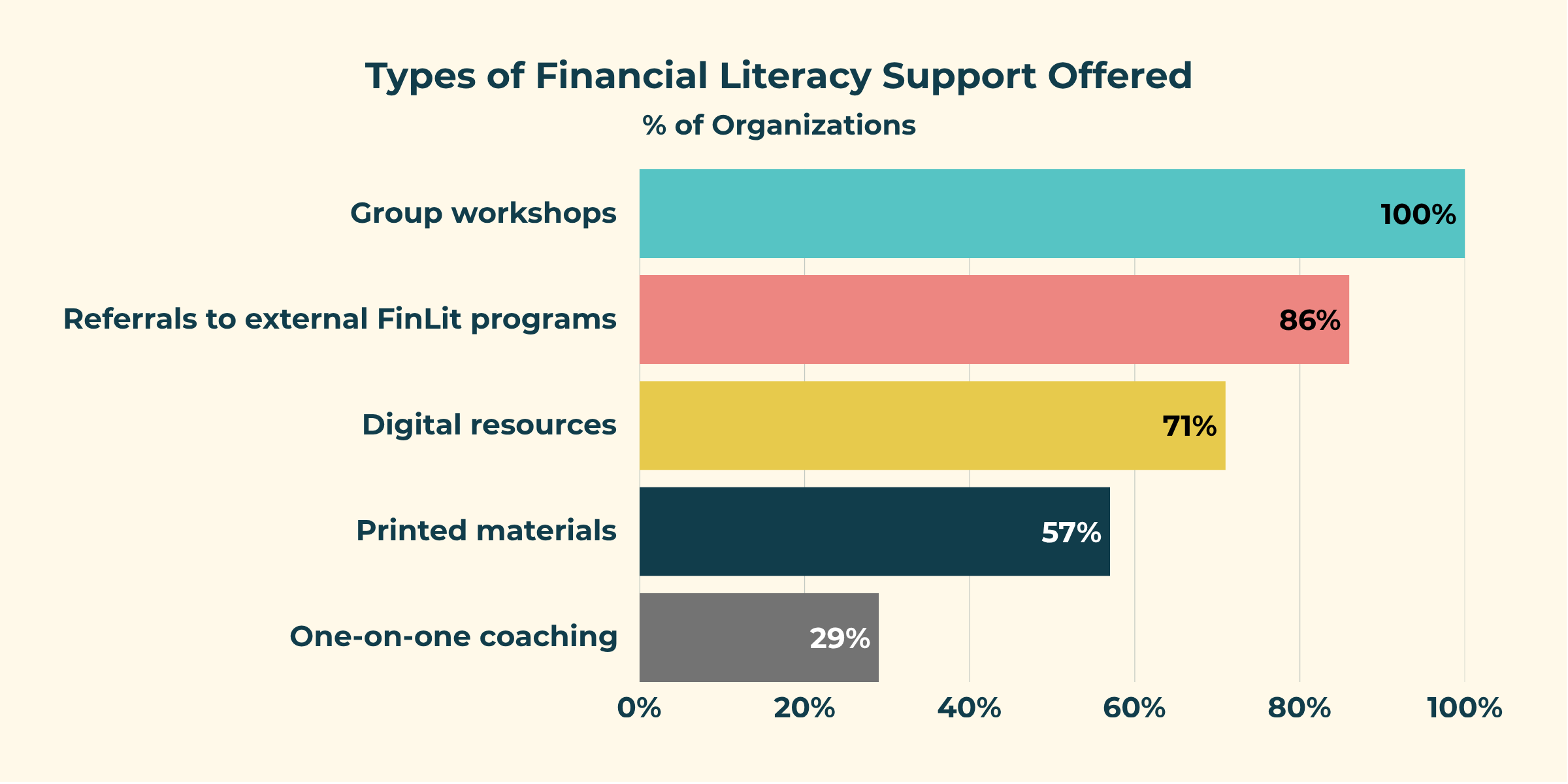
The regions represented in the data below include Charlotte County, Chaleur, Fredericton, Dieppe, Fredericton, Miramichi, St. John, Shediac, Cap-Acadie, Saint-Quentin, Kedgewick, Shippagan, Campbellton, and Chipman.
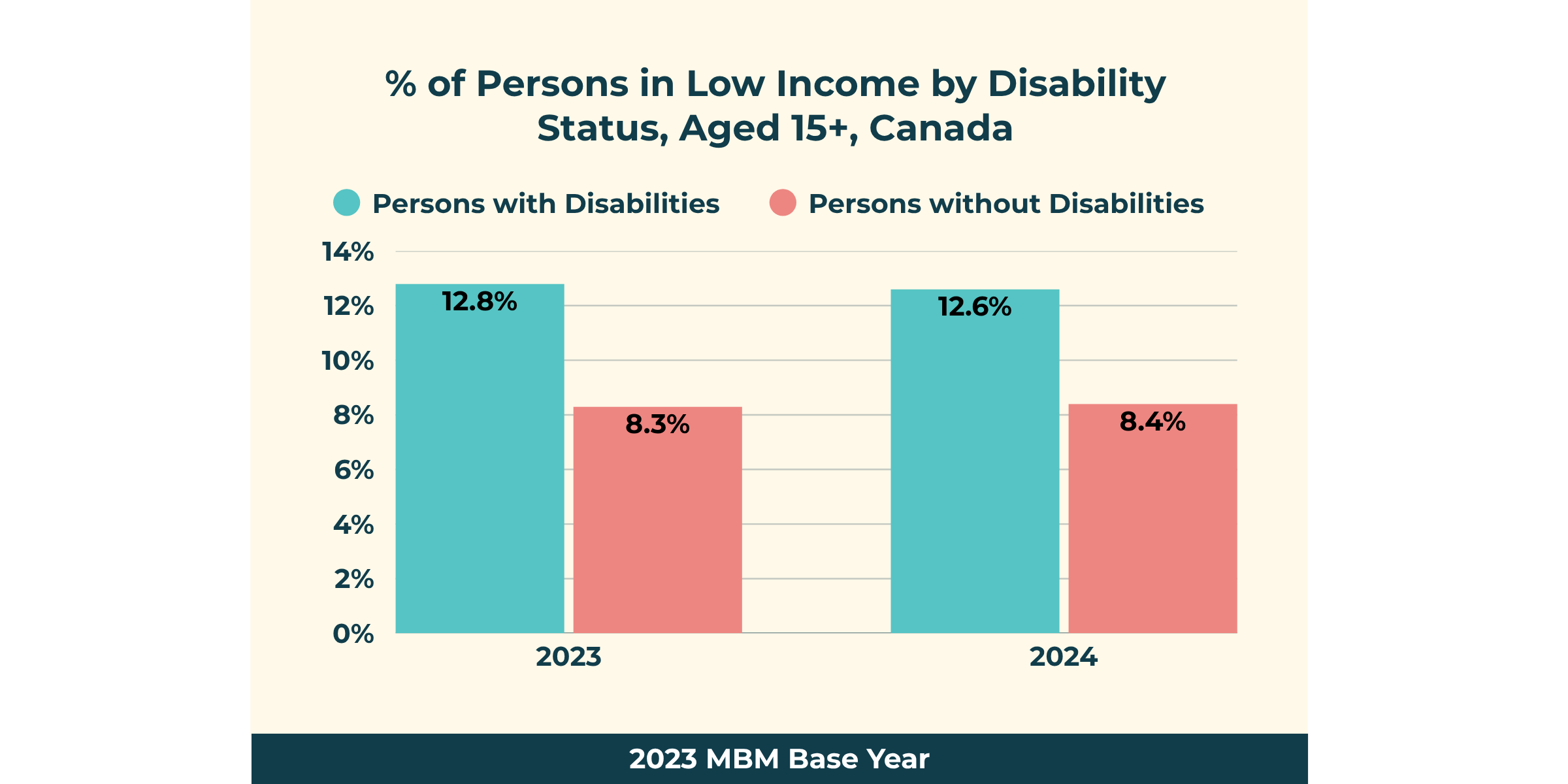
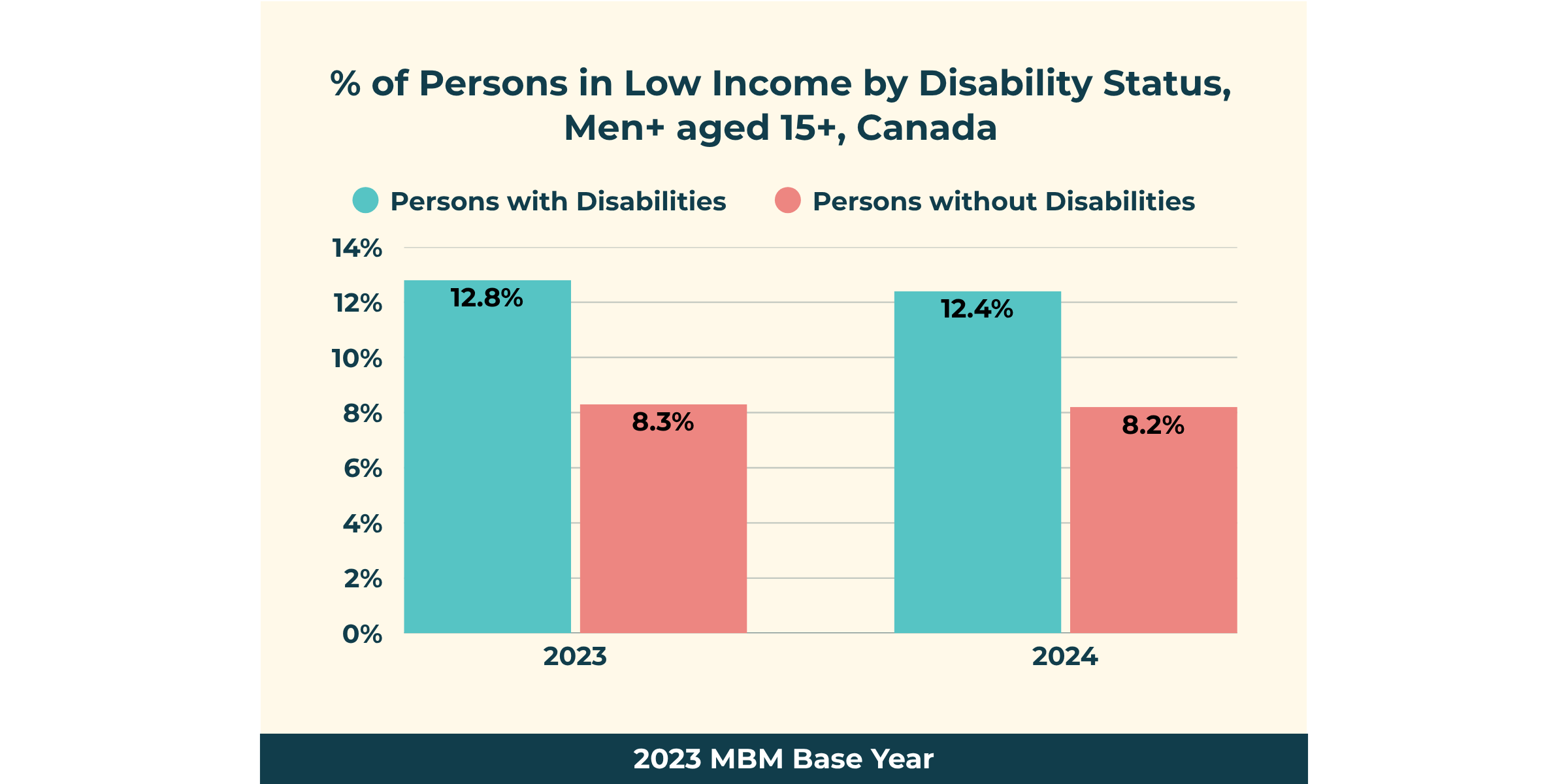
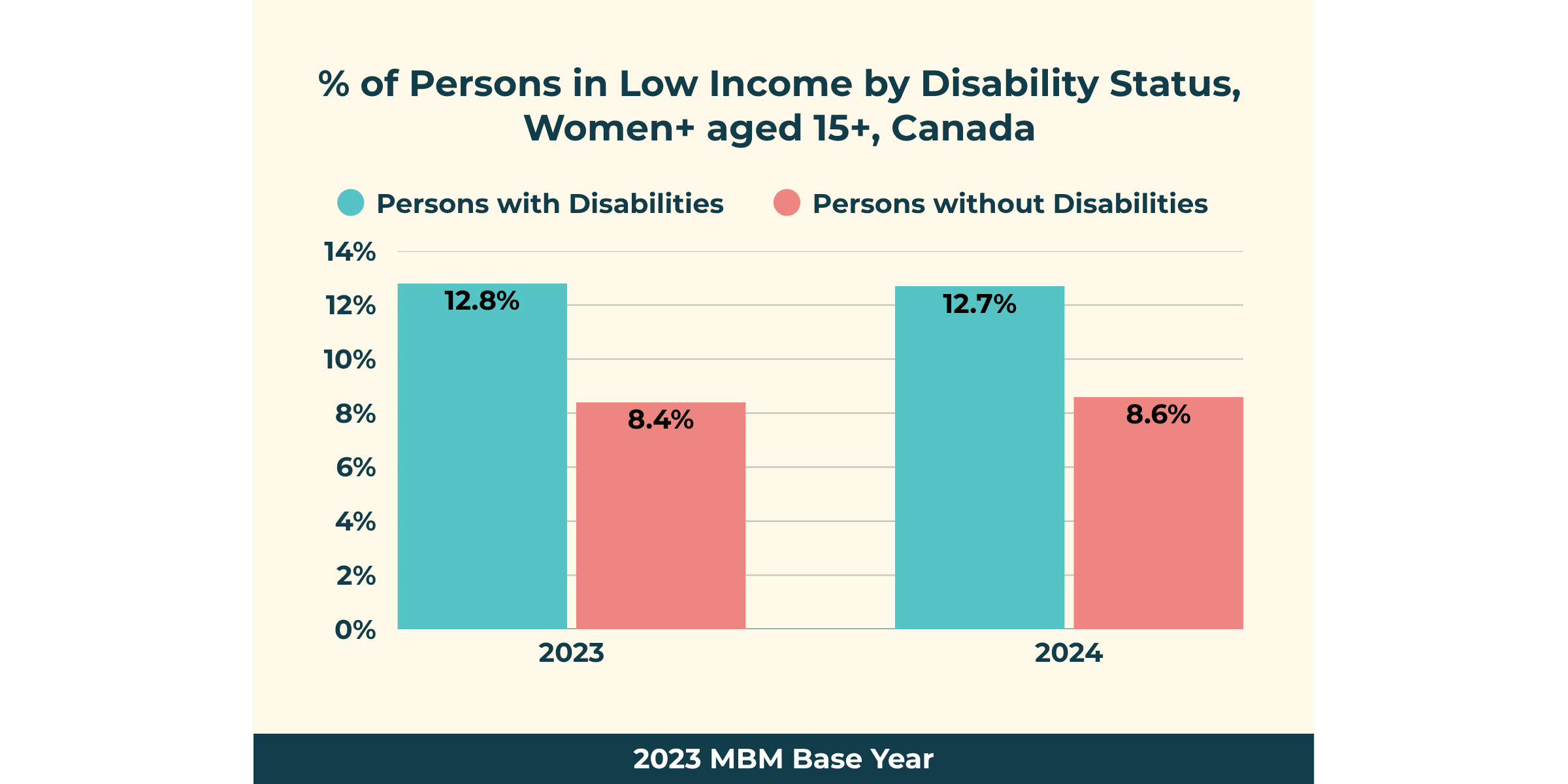
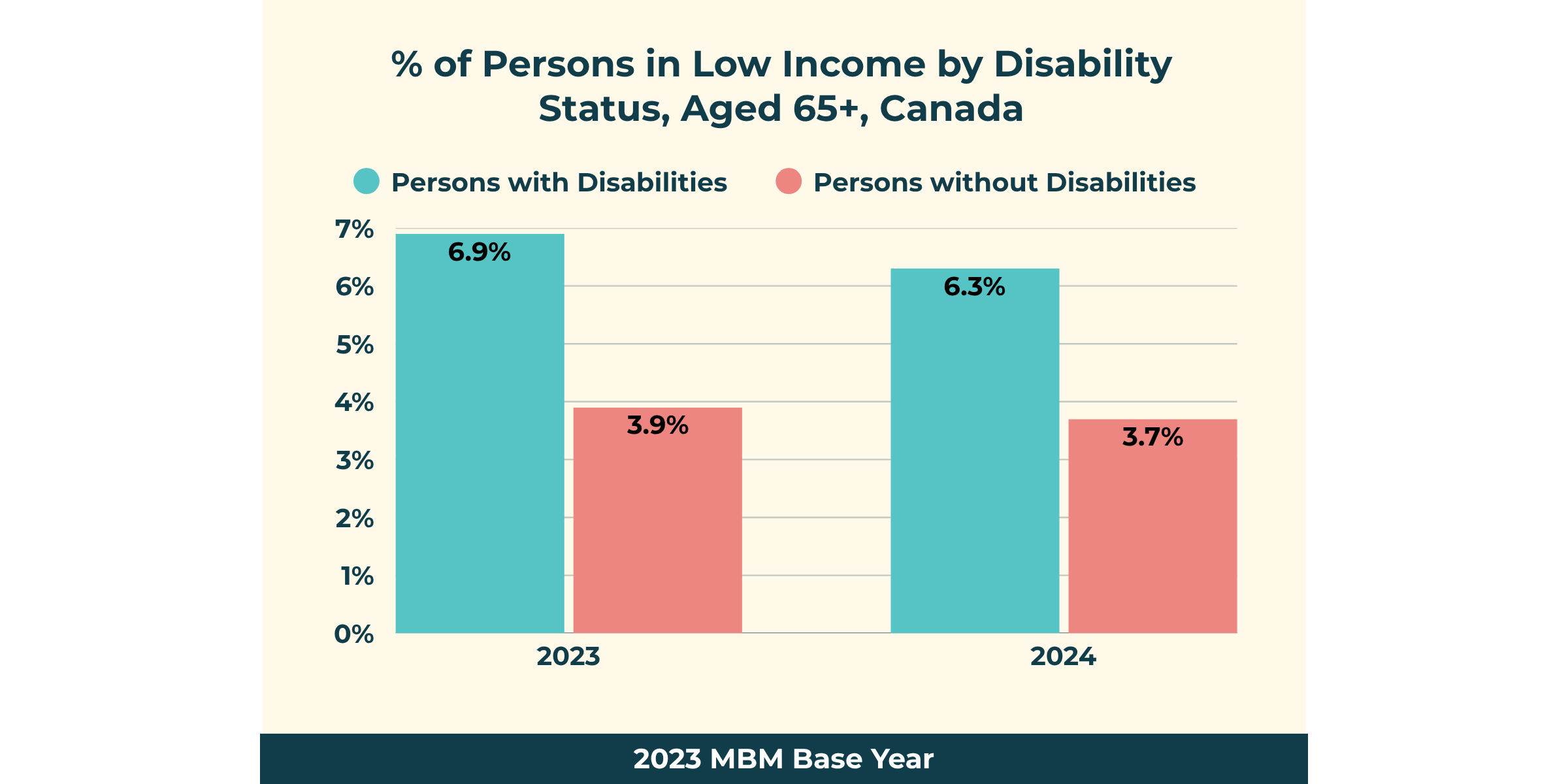
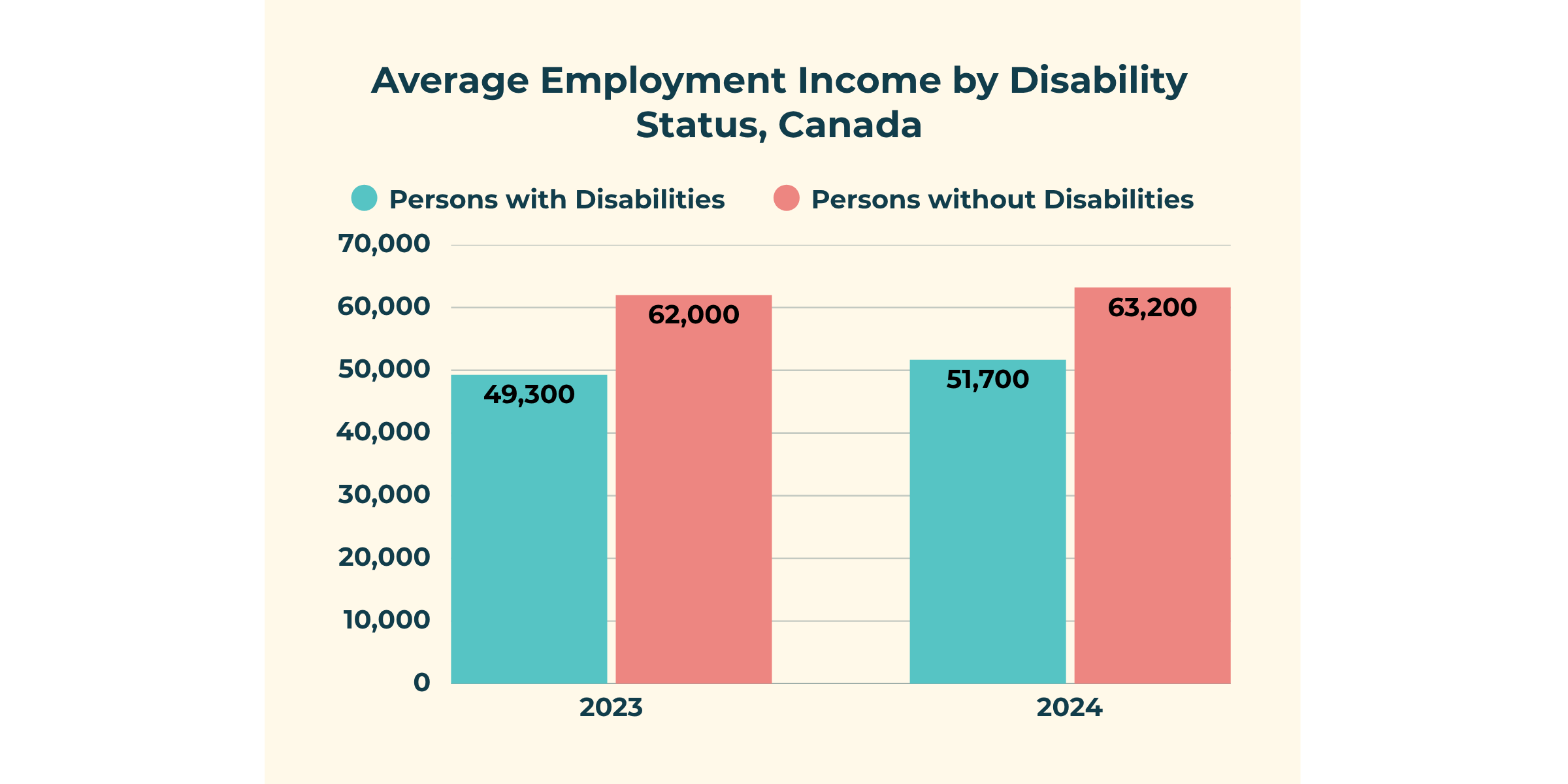
People with a Disability Living in Poverty
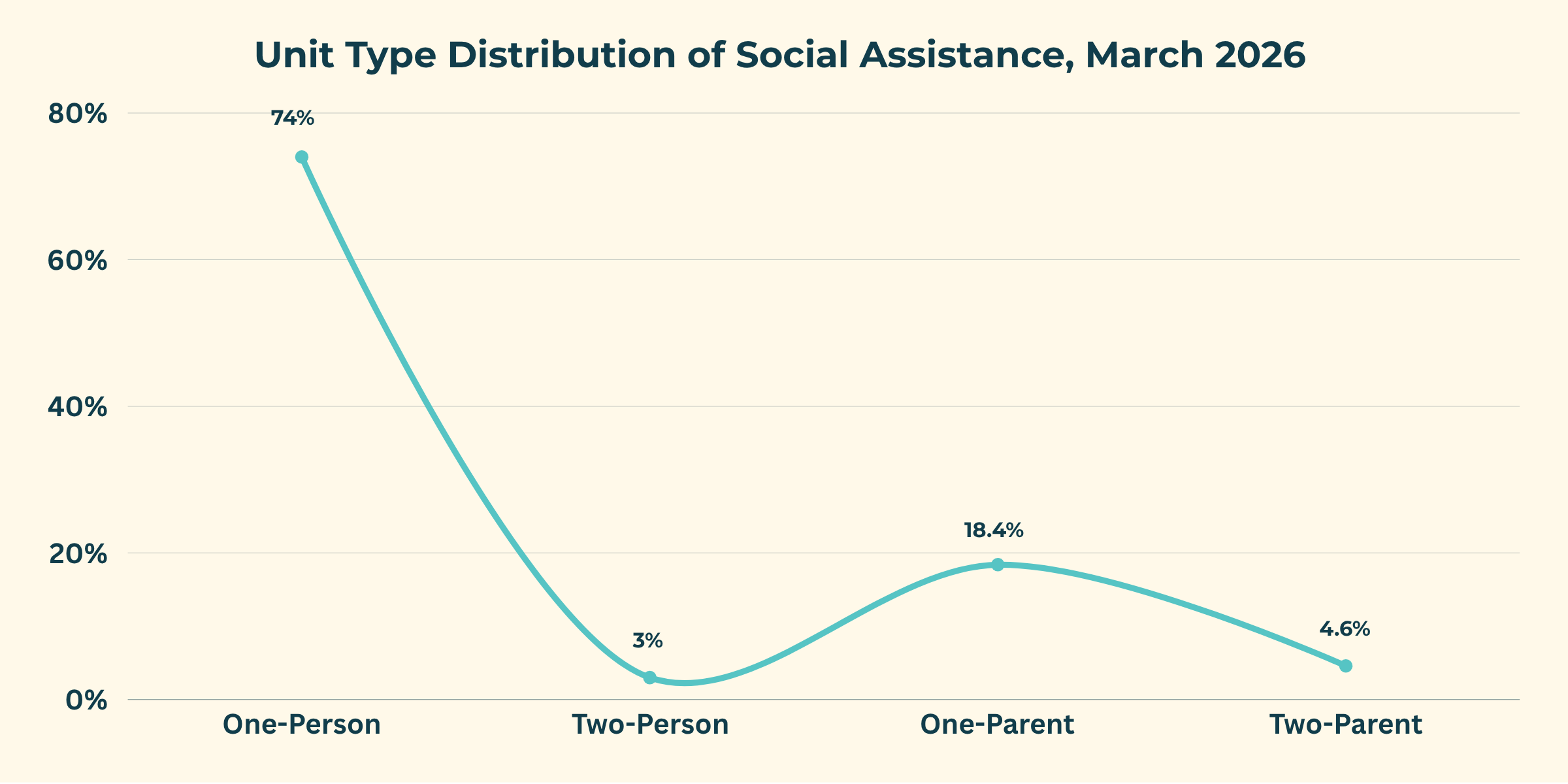
Social Assistance Caseloads
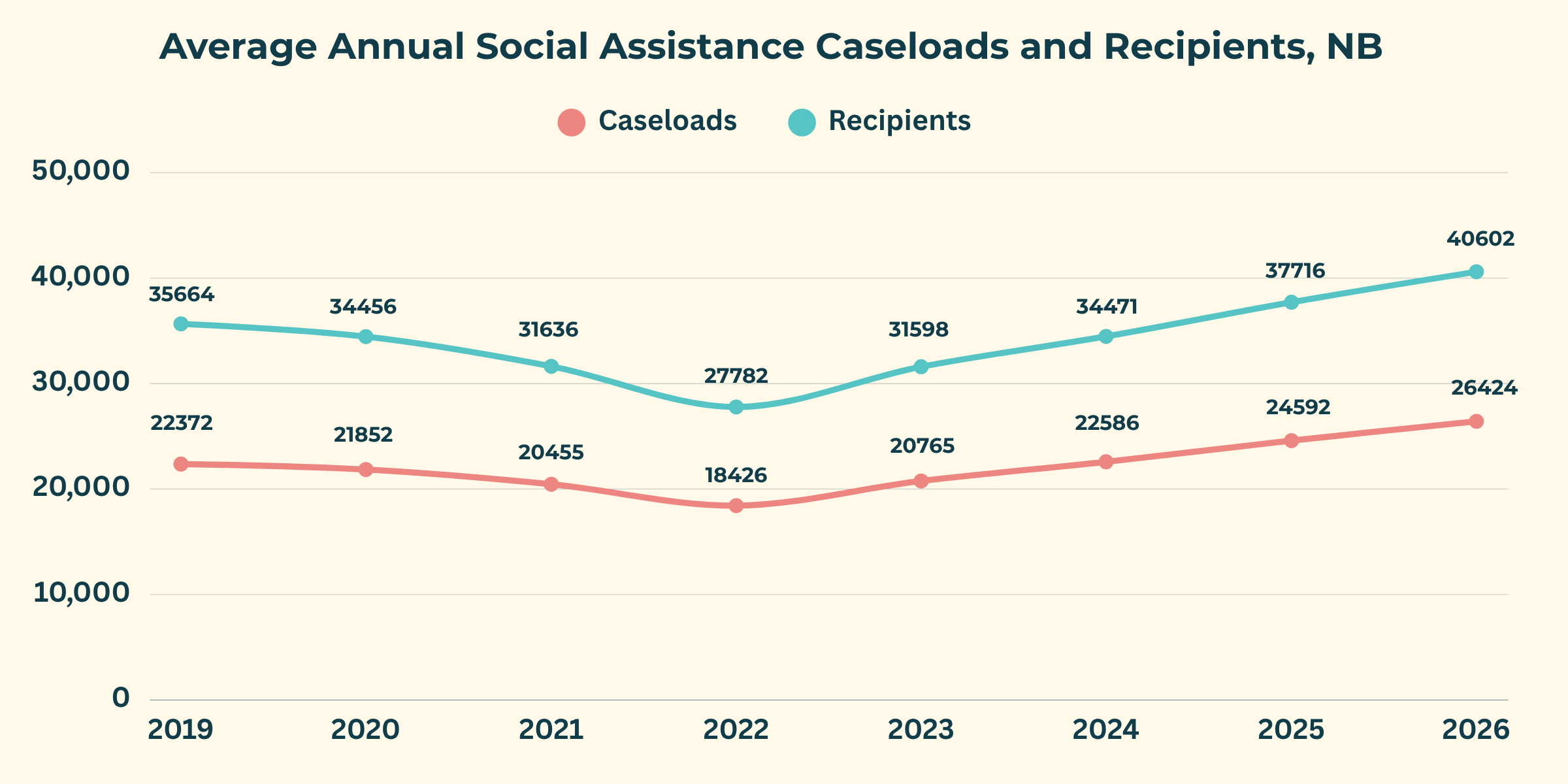
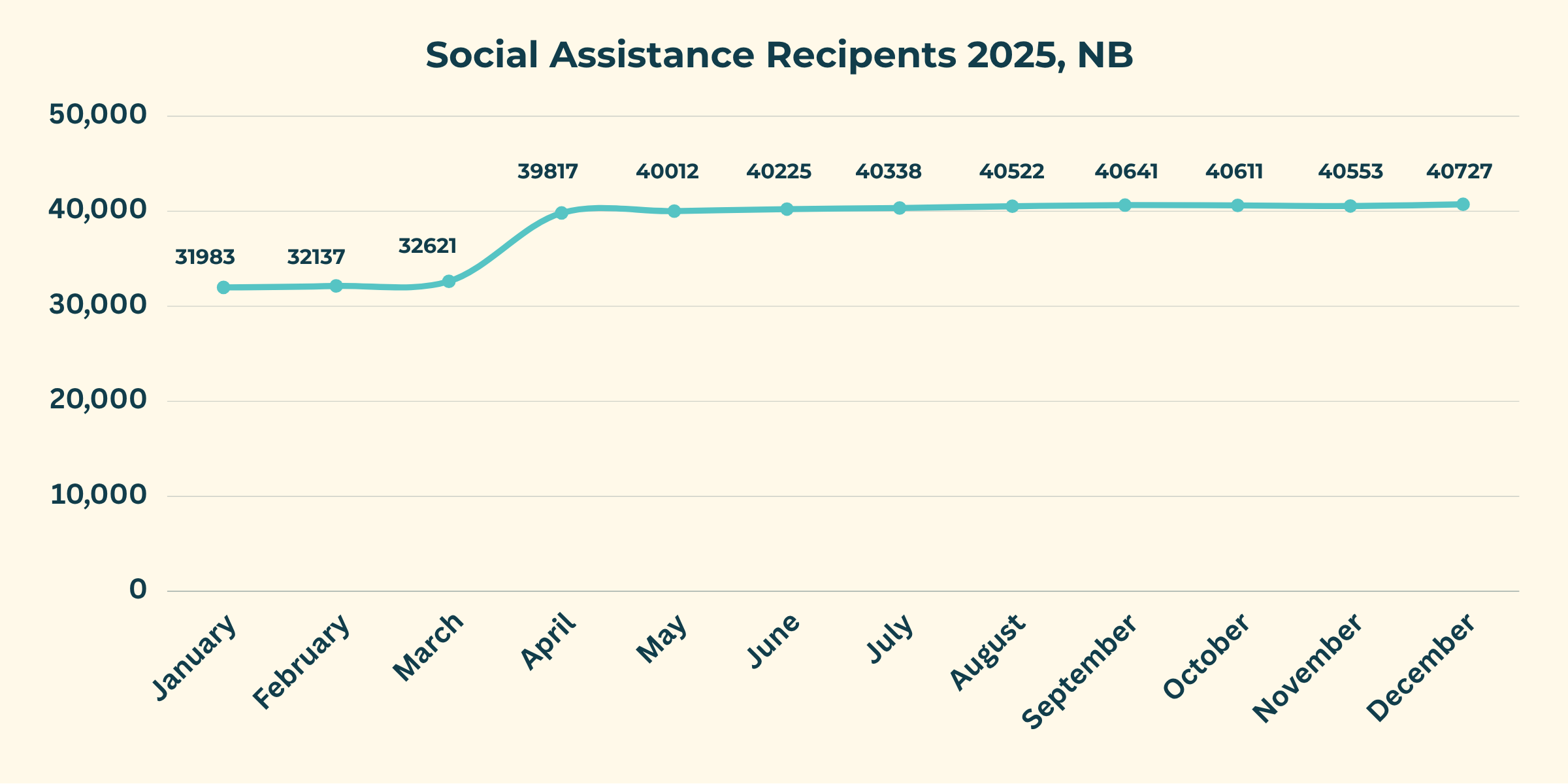
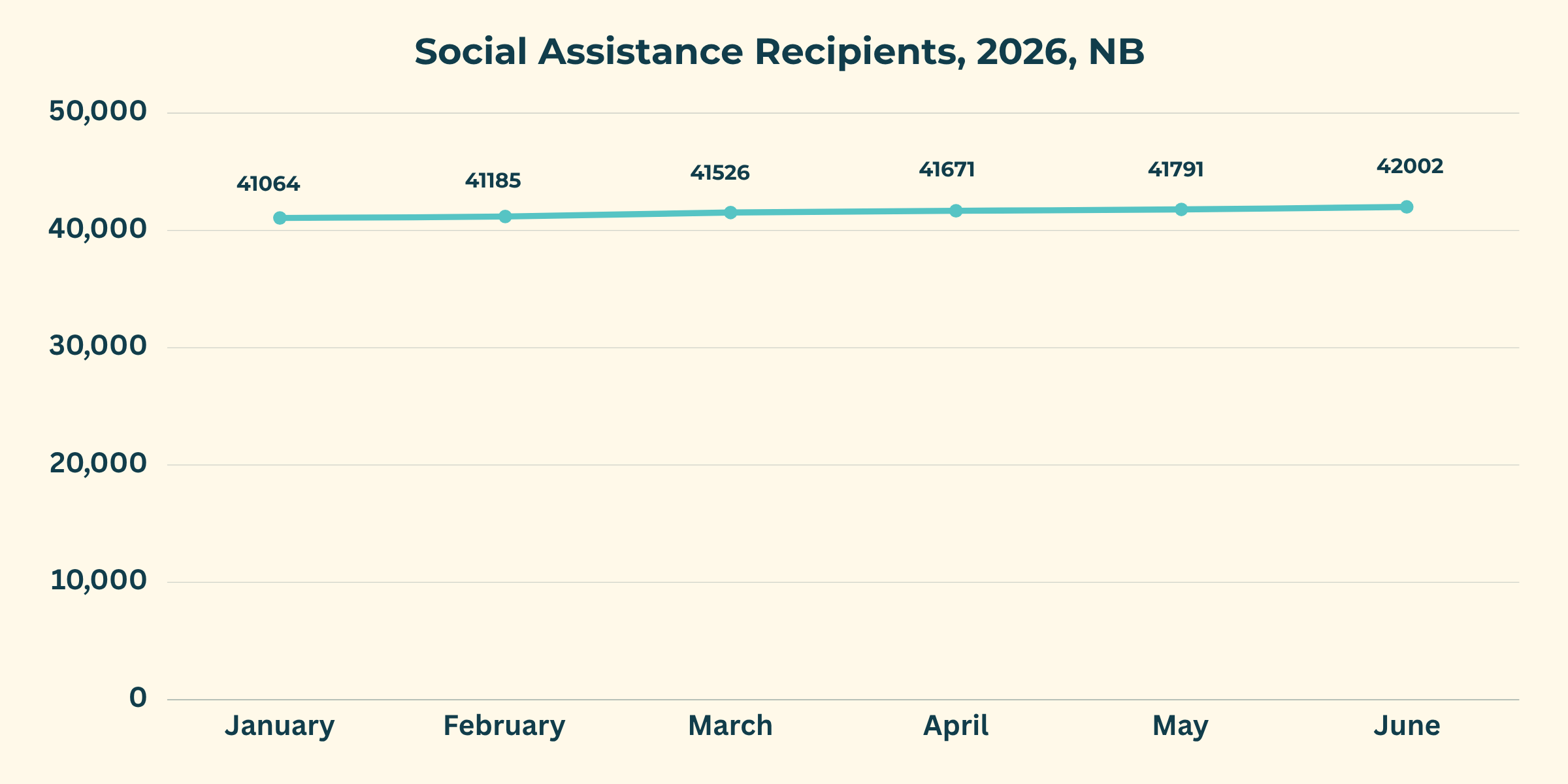
Social assistance in New Brunswick is provided to people who have no other income to meet their basic needs of food, clothing, and shelter. Since 2013, social assistance caseloads had been trending downward and experienced a significant drop during the COVID-19 pandemic as federal income supports were issued. Following the end of pandemic-related supports, caseloads have been trending upwards and are approaching pre-pandemic levels.
Reporting on caseloads is an important measure because every person in receipt of social assistance is experiencing poverty. Providing appropriate supports to transition those who can be moved from social assistance to the labour market is a very important component of poverty reduction. Supporting individuals who need temporary assistance before they become a social assistance recipient is also an important element of poverty prevention.